
BOARD GAME
BOARD GAME
Saving Venice is a board game prototype conceived and developed by the VeNiss research group. Inspired by the mechanics of the iconic Monopoly, the game reimagines the Venetian lagoon as a dynamic and contested landscape.
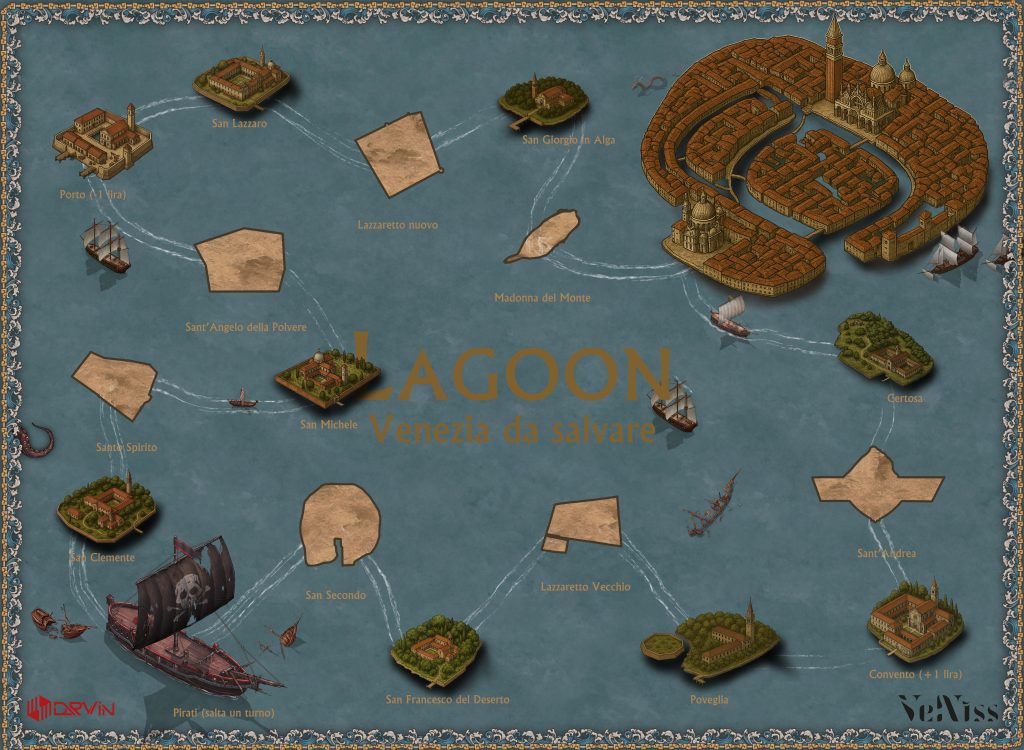
The board is structured as a small archipelago of islands currently under investigation within the VeNiss project. As players move through the lagoon, they may acquire islands and decide how to manage them: preserving their existing condition, investing in sustainable interventions, or pursuing large-scale redevelopment projects. While each choice may generate economic benefits, it also affects the accumulation of “lagoon points,” which ultimately determine the final outcome of the game.
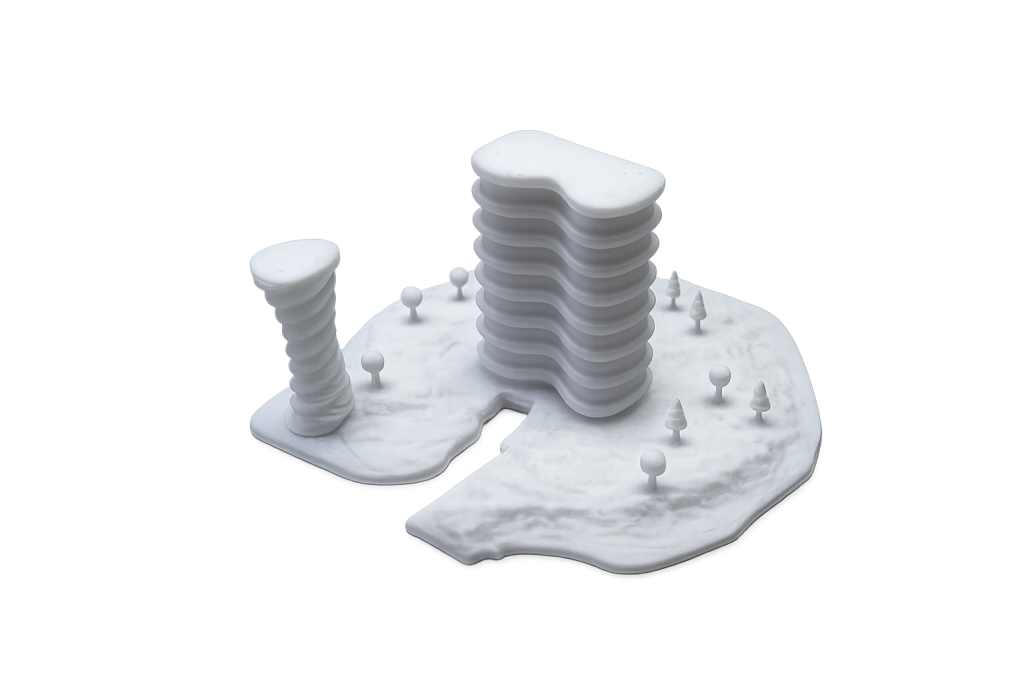
More than a purely recreational activity, Saving Venice invites players to critically reflect on the present and future of the Venetian lagoon. Throughout the game, the islands are subjected to profound transformations that reshape their identity and environment. Some evolve into highly commercialised landscapes dominated by skyscrapers and speculative architecture, while others fall into abandonment, overtaken by vegetation and decay. By the end of the match, the lagoon inevitably appears altered — not always for the better — regardless of who wins.
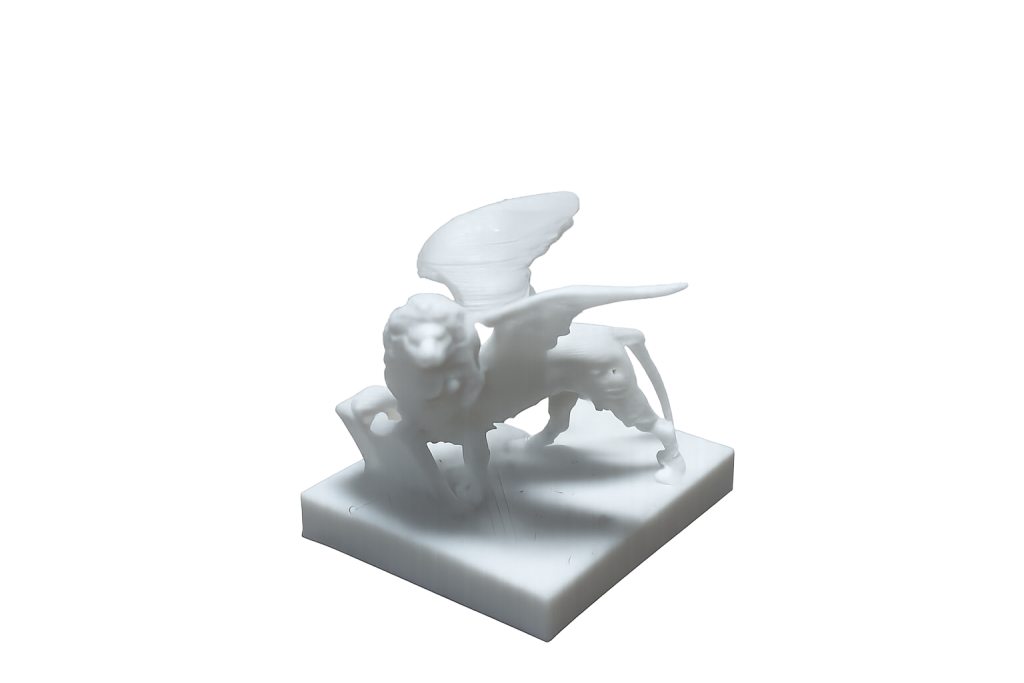


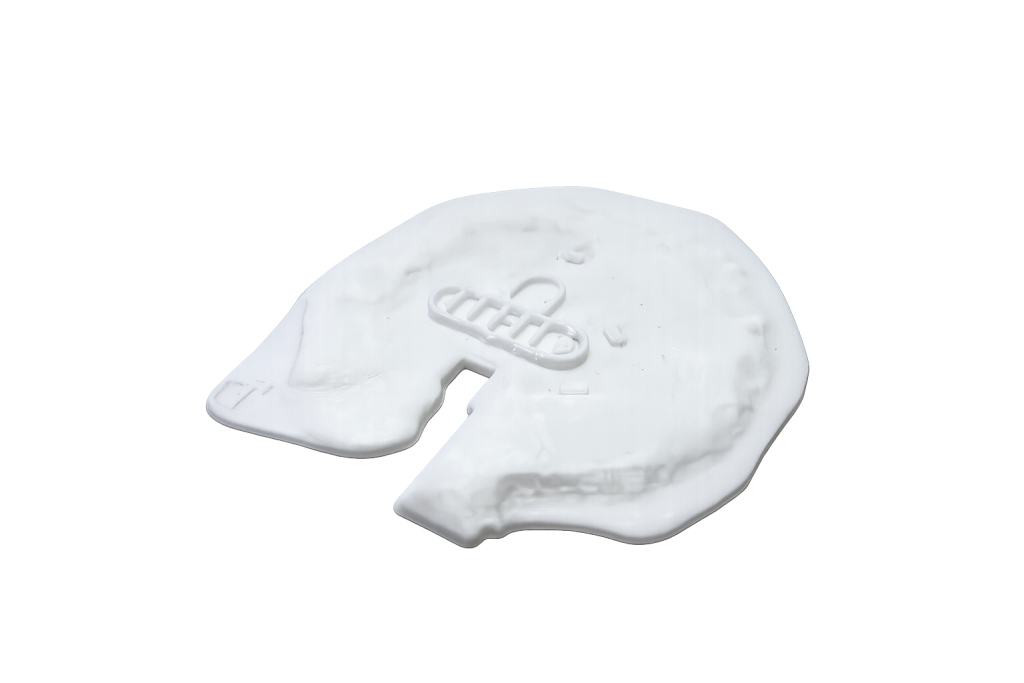
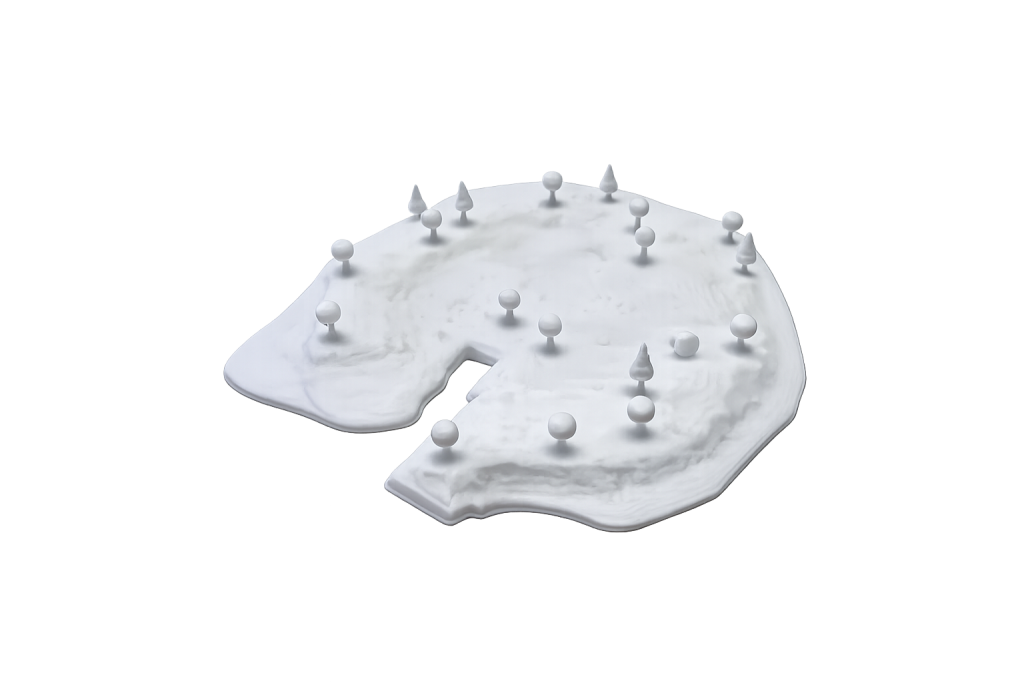
The game is further enriched by Venetian-themed playing pieces and 3D-printed models of selected islands, created from the processing of point clouds acquired during survey campaigns. These tangible elements enhance the immersive quality of the experience, fostering a stronger connection between scientific research, spatial representation, and playful storytelling.
Players explore the Venetian Lagoon by moving across a board inspired by a small archipelago of real islands currently being studied by the VeNiss project. At each turn, they roll the dice and navigate between islands, landmarks, and special locations, encountering opportunities, challenges, and unexpected events along the way.
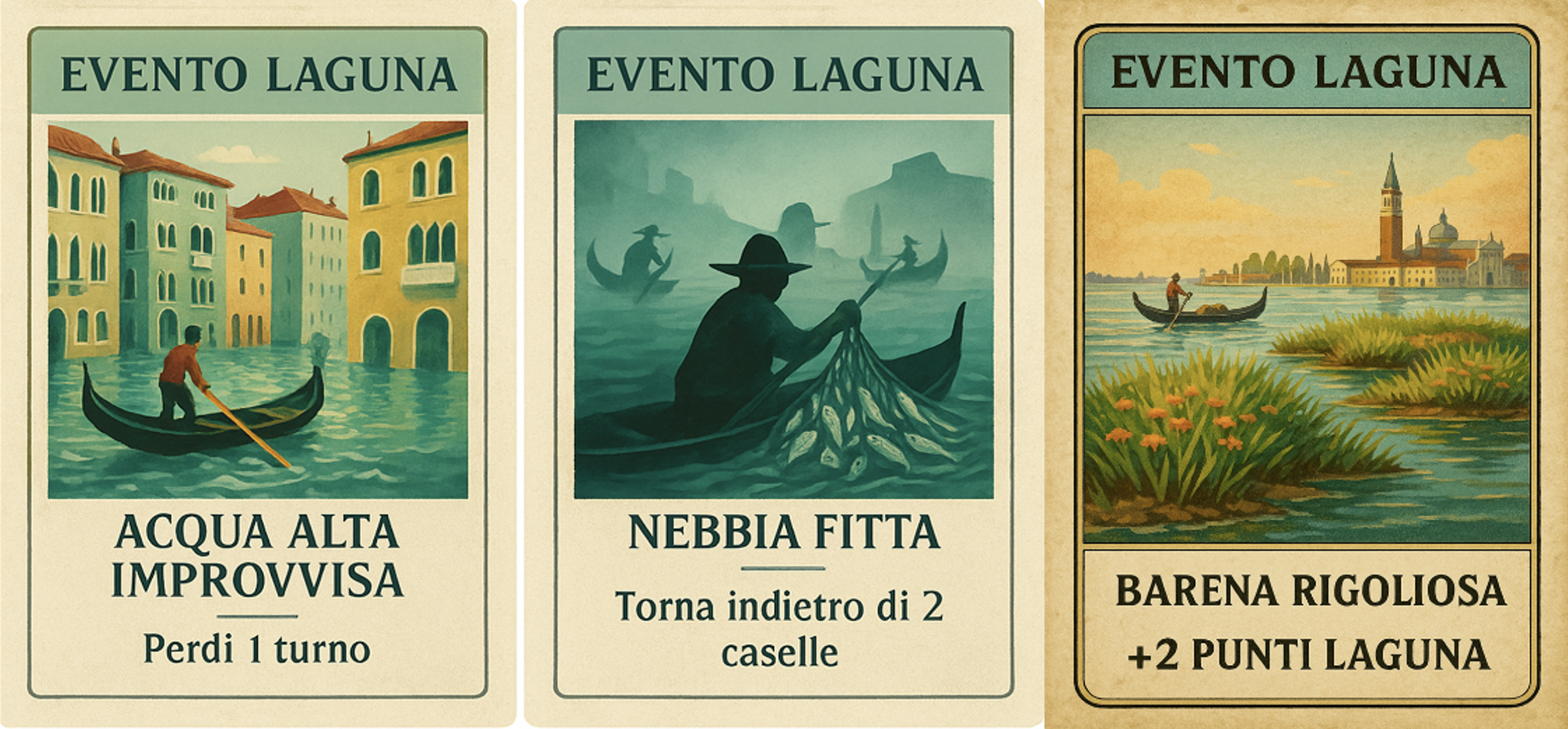
The heart of the game lies in a series of transformable islands. When landing on one of these spaces, players must decide how the island will evolve: should it be redeveloped through ambitious commercial projects, generating immediate economic gains, or should it follow a more sustainable path that preserves its environmental and cultural value? Every choice affects both the player’s resources and the overall condition of the lagoon. As the game progresses, islands are gradually transformed, reshaping the landscape for all participants. Event cards and special locations introduce additional rewards, penalties, and surprises, reflecting the complexity of managing a fragile environment such as the Venetian Lagoon.
The game ends once all players have completed two rounds of the board or when all transformable islands have changed state. The winner is determined not only by economic success but also by the number of Lagoon Points accumulated throughout the game. By balancing personal interests with collective responsibility, players are encouraged to reflect on the challenges and consequences of different approaches to the future of Venice and its lagoon.
The board game was presented at:
Board game
BOARD GAME
Saving Venice is a board game prototype conceived and developed by the VeNiss research group. Inspired by the mechanics of the iconic Monopoly, the game reimagines the Venetian lagoon as a dynamic and contested landscape.
The board is structured as a small archipelago of islands currently under investigation within the VeNiss project. As players move through the lagoon, they may acquire islands and decide how to manage them: preserving their existing condition, investing in sustainable interventions, or pursuing large-scale redevelopment projects. While each choice may generate economic benefits, it also affects the accumulation of “lagoon points,” which ultimately determine the final outcome of the game.
More than a purely recreational activity, Saving Venice invites players to critically reflect on the present and future of the Venetian lagoon. Throughout the game, the islands are subjected to profound transformations that reshape their identity and environment. Some evolve into highly commercialised landscapes dominated by skyscrapers and speculative architecture, while others fall into abandonment, overtaken by vegetation and decay. By the end of the match, the lagoon inevitably appears altered — not always for the better — regardless of who wins.
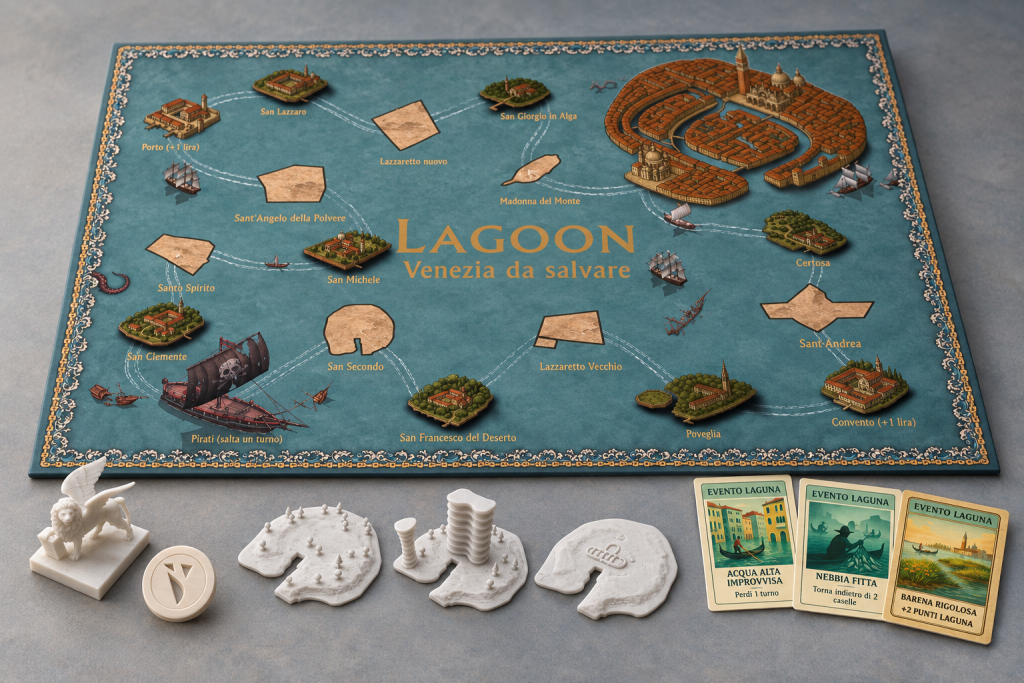
The game is further enriched by Venetian-themed playing pieces and 3D-printed models of selected islands, created from the processing of point clouds acquired during survey campaigns. These tangible elements enhance the immersive quality of the experience, fostering a stronger connection between scientific research, spatial representation, and playful storytelling.
Players explore the Venetian Lagoon by moving across a board inspired by a small archipelago of real islands currently being studied by the VeNiss project. At each turn, they roll the dice and navigate between islands, landmarks, and special locations, encountering opportunities, challenges, and unexpected events along the way.
The heart of the game lies in a series of transformable islands. When landing on one of these spaces, players must decide how the island will evolve: should it be redeveloped through ambitious commercial projects, generating immediate economic gains, or should it follow a more sustainable path that preserves its environmental and cultural value? Every choice affects both the player’s resources and the overall condition of the lagoon. As the game progresses, islands are gradually transformed, reshaping the landscape for all participants. Event cards and special locations introduce additional rewards, penalties, and surprises, reflecting the complexity of managing a fragile environment such as the Venetian Lagoon.
The game ends once all players have completed two rounds of the board or when all transformable islands have changed state. The winner is determined not only by economic success but also by the number of Lagoon Points accumulated throughout the game. By balancing personal interests with collective responsibility, players are encouraged to reflect on the challenges and consequences of different approaches to the future of Venice and its lagoon.
The exhibition was displayed at:
The board game was presented at:

BRIGHT-NIGHT 2025
La Notte europea delle Ricercatrici e dei Ricercatori
Piazza SS. Annunziata, Florence
26/09/2025
As part of Bright-Night 2025 — The European Researchers’ Night — the DARWIN Lab of the University of Florence, partner of the project, presented the game prototype at one of the 34 exhibition stands set up in Piazza SS. Annunziata, Florence.
Throughout the evening, children and adults alike took part in lively and engaging matches that turned play into an opportunity for dialogue and reflection on the lagoon environment — a deeply local reality whose cultural and environmental significance resonates far beyond its geographical boundaries.
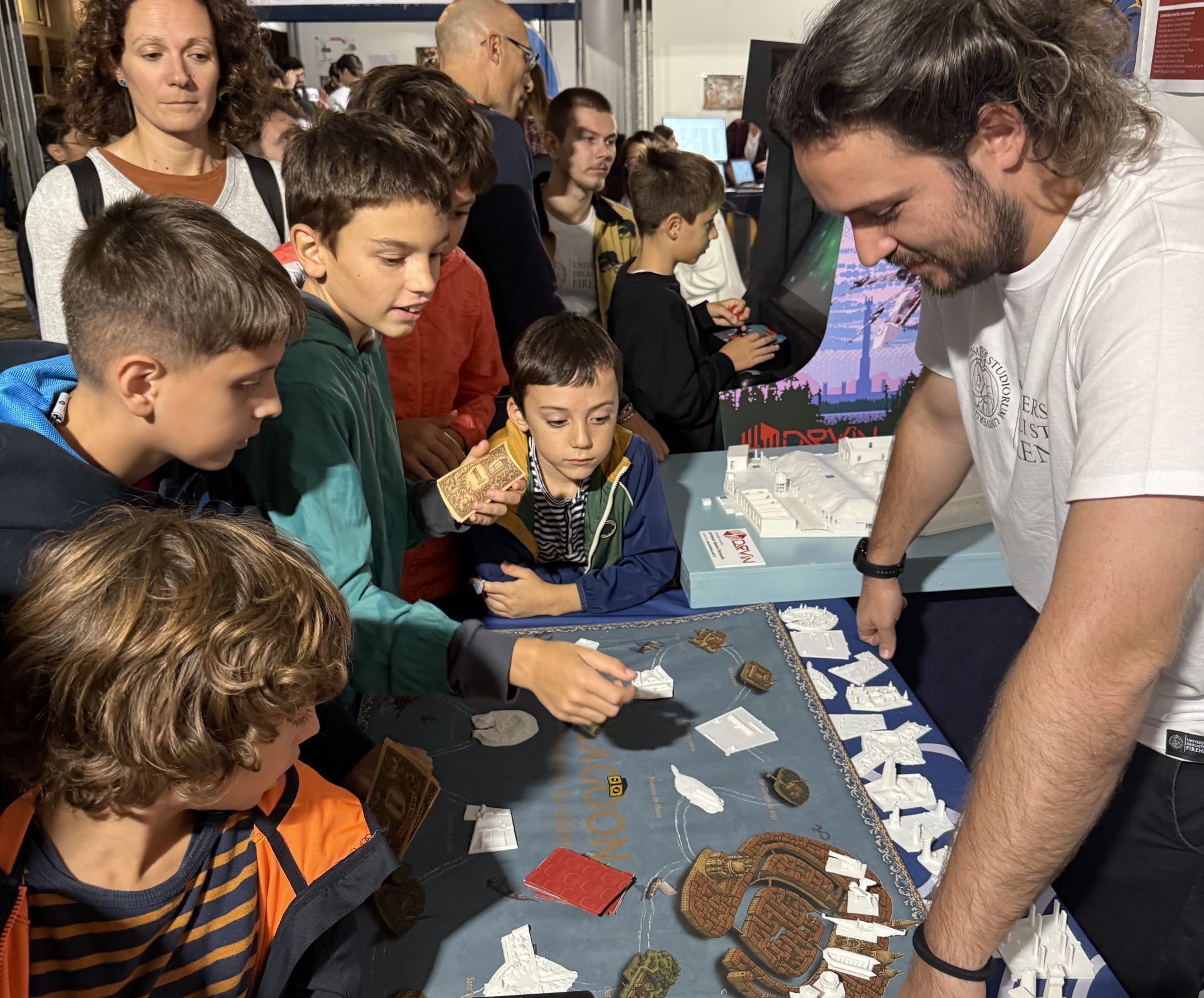
As part of Bright-Night 2025 — The European Researchers’ Night — the DARWIN Lab of the University of Florence, partner of the project, presented the game prototype at one of the 34 exhibition stands set up in Piazza SS. Annunziata, Florence.
Throughout the evening, children and adults alike took part in lively and engaging matches that turned play into an opportunity for dialogue and reflection on the lagoon environment — a deeply local reality whose cultural and environmental significance resonates far beyond its geographical boundaries.
FESTIVAL DELLO SVILUPPO SOSTENIBILE 2026
Polo Umanistico Beato Pellegrino, Padua
13/05/2026
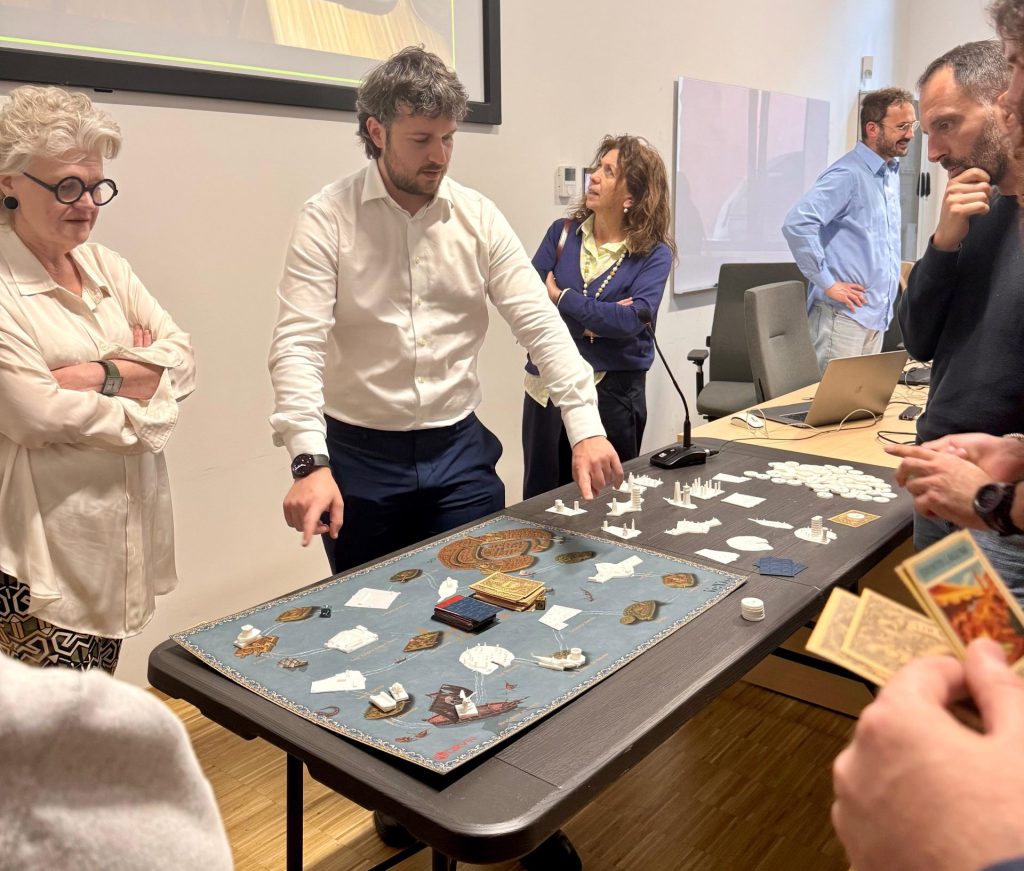
The game was unveiled during a public event open to the wider community, organised as part of the initiatives promoted by the University of Padua for the 2026 Festival of Sustainable Development.
Conceived as both a moment of experimentation and collective reflection, the event invited participants to engage directly with the prototype and to explore, through a playful and participatory approach, the possible futures awaiting the islands of the Venetian Lagoon. By combining speculative thinking with game-based interaction, the initiative encouraged discussion around environmental, social, and cultural transformations currently shaping the lagoon and its fragile island ecosystems.

Science4all 2026
La festa delle scienze dell’Università di Padova
Boulevard delle Scienze, Stand 29, Padua
26-27/09/2026
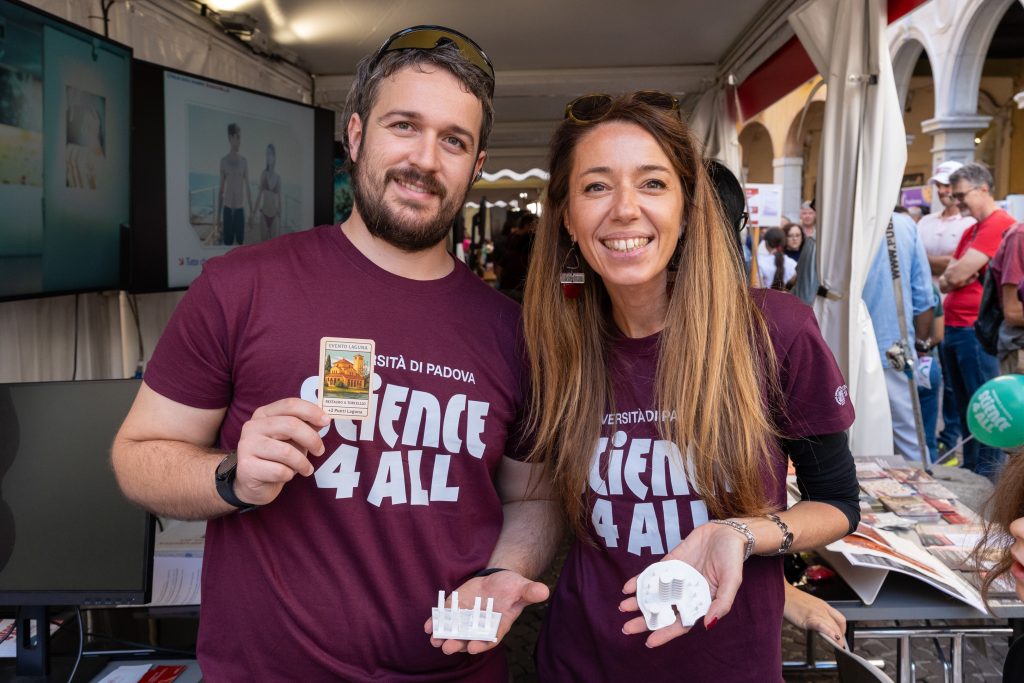
The game was also presented at Science4All 2026, the University of Padua’s science festival, which brings research into the city through interactive activities, demonstrations, and opportunities for direct exchange with researchers.
Over two days, the VeNiss team welcomed children and adults to take part in a series of challenges and reflect together on the future of the Venetian Lagoon. These encounters offered an opportunity to discuss how individual and collective choices can shape the islands’ heritage and landscapes, and to consider the tensions between conservation, development, and environmental sustainability. Through play and conversation, the initiative brought different generations into dialogue around questions that connect historical knowledge with present-day concerns. It also provided a setting in which to share the project’s research and explore the responsibilities involved in caring for the lagoon’s cultural and environmental heritage.